




Genomics &
Molecular Biology
Laboratory
Decoding the Genome. Empowering the Breed. Securing the Future.
A National-Scale Genomics Platform
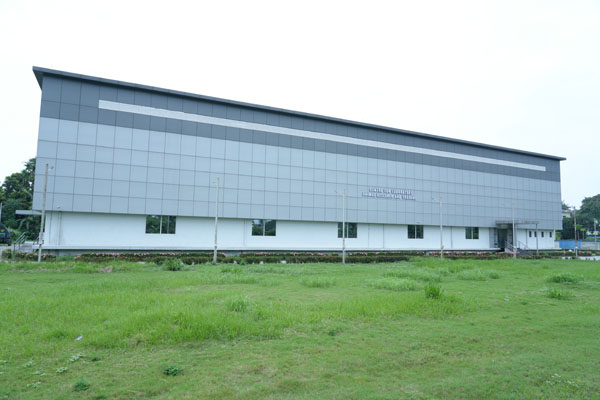
The Genomics and Molecular Biology Laboratory (GMBL) under Paschim Banga Go-Sampad Bikash Sanstha (PBGSBS), Government of West Bengal, represents the State's most advanced integrated platform for livestock genomics, molecular diagnostics, and precision breeding science. Strategically embedded within PBGSBS, the GMBL functions as the technological nerve centre for transforming West Bengal's animal husbandry sector through genomic intelligence.
Operating at the convergence of cutting-edge sequencing technologies, high-throughput genotyping platforms, and population-level bioinformatics, the GMBL delivers end-to-end genomic solutions — from classical cytogenetics and karyotyping to Whole Genome Sequencing (WGS) of prokaryotes/infectious agents, SNP array genotyping, digital PCR, and Genomically Estimated Breeding Value (GEBV) estimation.
The laboratory is a nodal facility aligned with the Government of India's Minimum Standard Protocol (MSP-2025) framework, positioning the facility among a select cohort of nationally recognised genomics institutions in the livestock sector. With Standard Operating Procedures (SOPs), a world-class instrument portfolio, and active participation in nationally significant genomic selection programmes, the GMBL stands as a singular institution in eastern India capable of delivering genomics-driven genetic improvement at both the research and field-deployment scale.
Scientific Mandate — Three Pillars
To establish and maintain a state-of-the-art genomics platform for molecular characterisation, genetic disease surveillance, and genomic selection in livestock breeds of West Bengal, with emphasis on indigenous breeds including Black Bengal Goats, Sahiwal cattle, and crossbred dairy animals.
To develop breed-specific genomic tools — including custom SNP arrays, reference population databases, and GEBV prediction models — that translate genomic research into tangible improvements in farmer-level productivity and breed conservation.
To serve as a centre of excellence for training, capacity building, technology transfer, and collaborative research in the domain of livestock genomics and molecular biology, supporting national priorities under the National Livestock Mission and Digital Animal Husbandry frameworks.
Seven Integrated Genomic Service Verticals
The GMBL offers an unmatched spectrum of services spanning classical genetics to frontier genomics, structured across seven integrated verticals.
Cytogenetics & Karyotyping
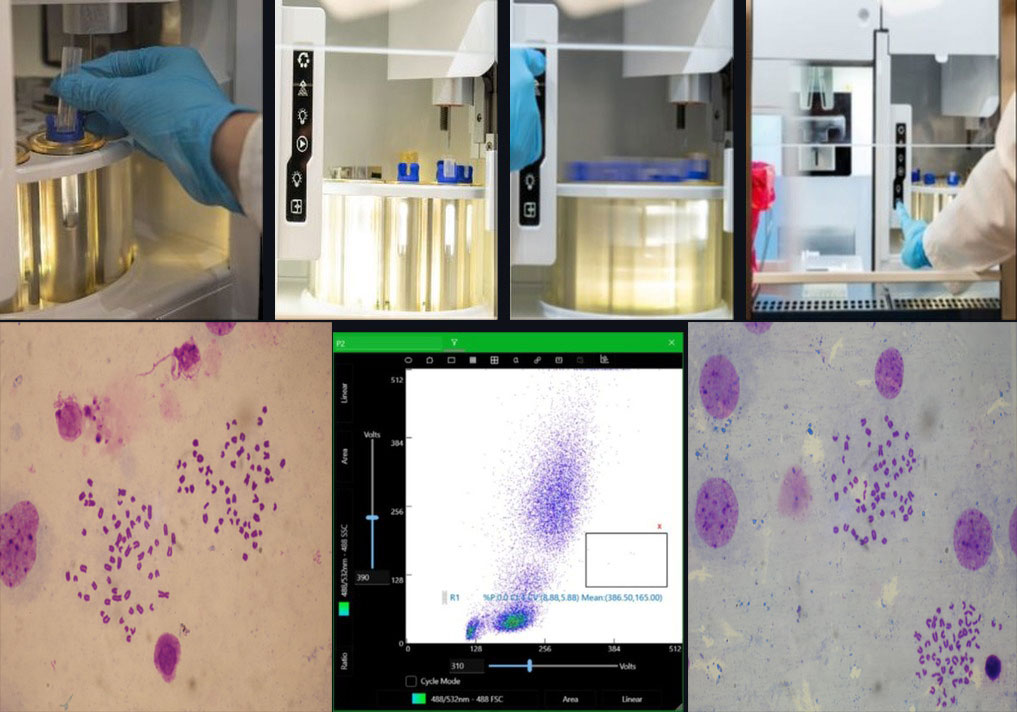
Classical chromosome-level analysis including preparation of metaphase spreads, G-banding, fluorescence in situ hybridisation (FISH), and karyotypic assessment for detection of chromosomal aberrations, sex chromosome aneuploidies, and structural variants. GMBL houses the Olympus BX-51 Fluorescence Microscope and the Bigfoot™ Cell Sorter (4 lasers, 28 parameters) to support high-resolution cytogenetic profiling and chromosome-specific sorting — capabilities foundational to reproductive genomics, intersex diagnostics, and breed certification programmes.
Genetic Disease Surveillance & Globally Accredited Molecular Diagnostics
The GMBL operates under globally-accredited SOPs for molecular detection of recessive lethal and deleterious genetic conditions, and diseases of general concern such as IBR, Lumpy Skin Disease (LSD), Theileriosis, Foot and Mouth Disease (FMD), Haemorrhagic Septicaemia (HS), and Black Quarter (BQ), of economic and welfare significance in bovines. These services are critical for the national genomic selection pipeline, ensuring that animals selected as sires, dams, or elite donors in PBGSBS programmes are free from carrier status for deleterious alleles.
Sanger Sequencing, Parentage Verification & Microsatellite Genotyping
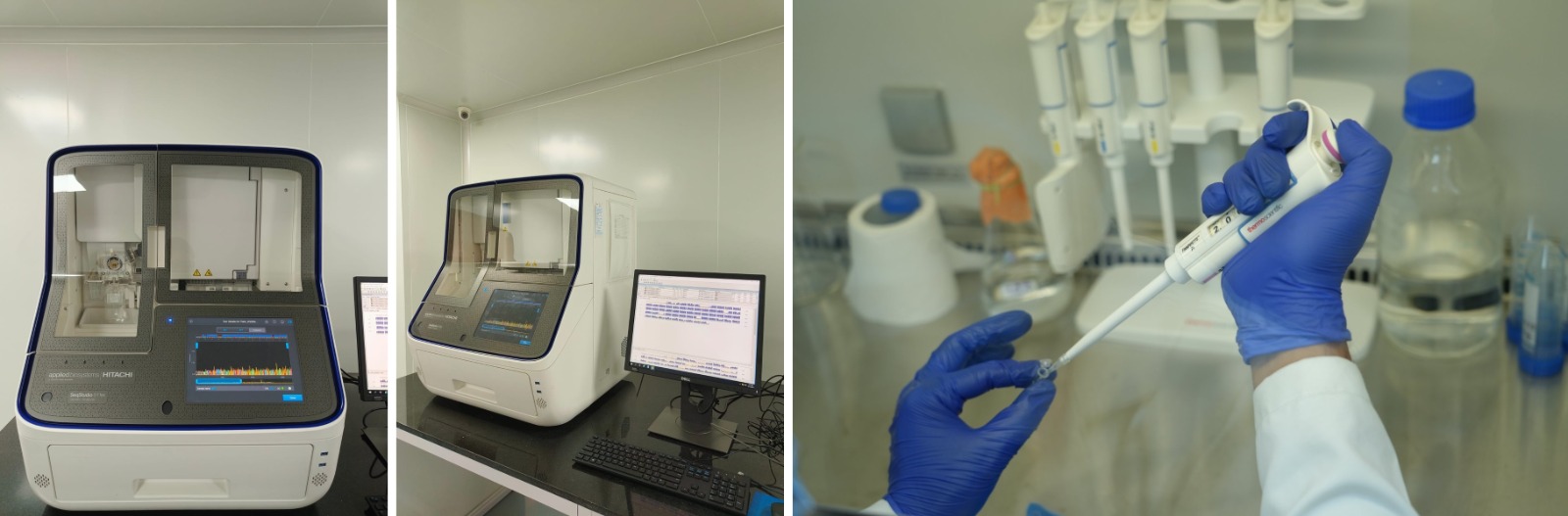
Utilising the SeqStudio™ 8 Flex Genetic Analyzer (Applied Biosystems) equipped with multi-capillary electrophoresis and fragment analysis capabilities, GMBL provides high-resolution microsatellite (STR) genotyping for parentage verification, genetic diversity assessment, inbreeding coefficient estimation, and population structure analysis. The laboratory's microsatellite panel for Black Bengal Goats — developed as part of the RIDF-funded initiative — utilises ISAG/FAO-recommended loci and produces phylogenetically informative data for breed identity certification, population stratification mapping, and conservation genetics.
Next-Generation Sequencing — Whole Genome & Targeted Sequencing
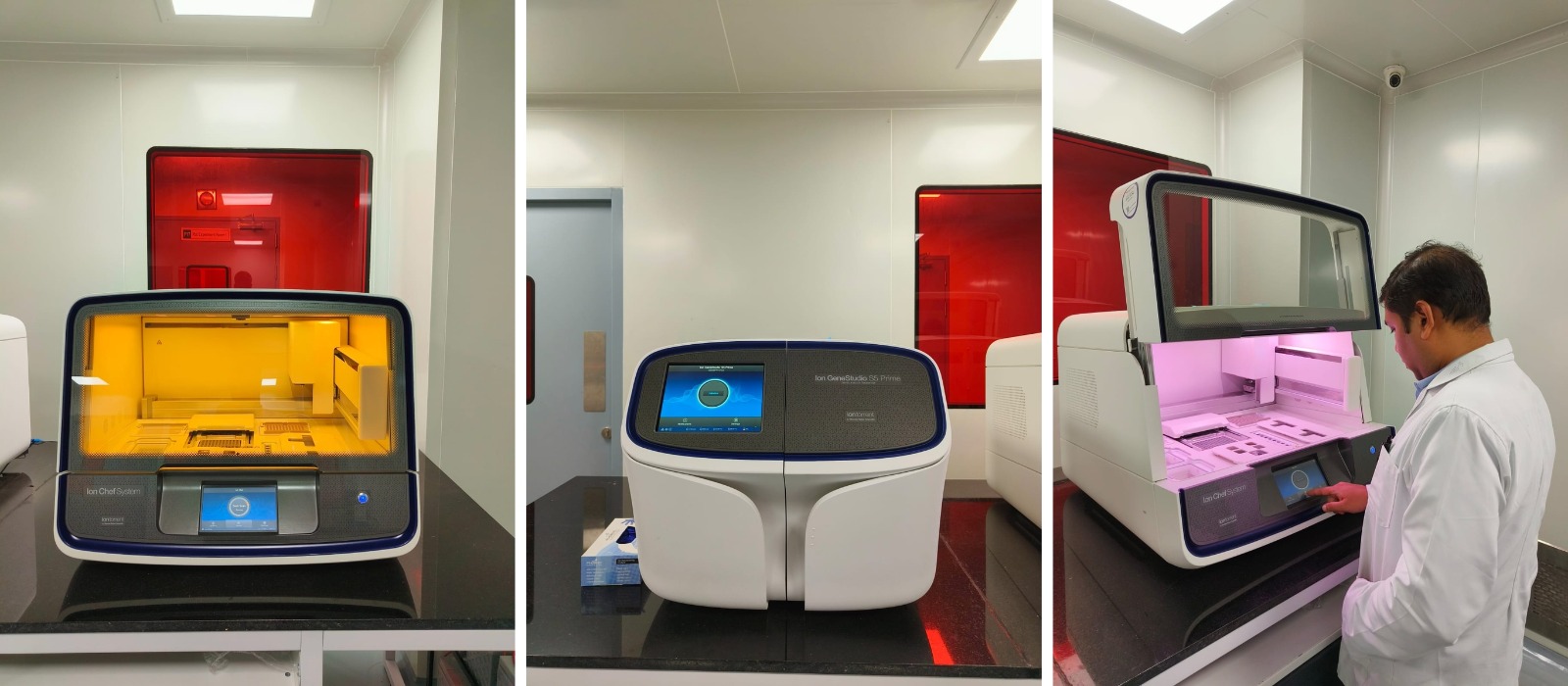
The GMBL is equipped with the Ion GeneStudio™ S5 Prime System (Thermo Fisher Scientific), a high-throughput semiconductor-based NGS platform, enabling: Targeted Gene Panel Sequencing for AMR gene profiling, virulence determinant identification, and functional variant annotation; Genotyping-by-Sequencing (GBS) for cost-effective high-density genotyping of large population cohorts; Metagenomics for rumen microbiome profiling and One Health surveillance pipelines; and RNASeq and Whole Transcriptomics. Sequencing data is processed through validated bioinformatics pipelines using BWA-MEM, GATK HaplotypeCaller, SAMtools, FreeBayes, PLINK, EIGENSOFT, STRUCTURE, and customised in-house scripts.
High-Density SNP Array Genotyping — Axiom Platform
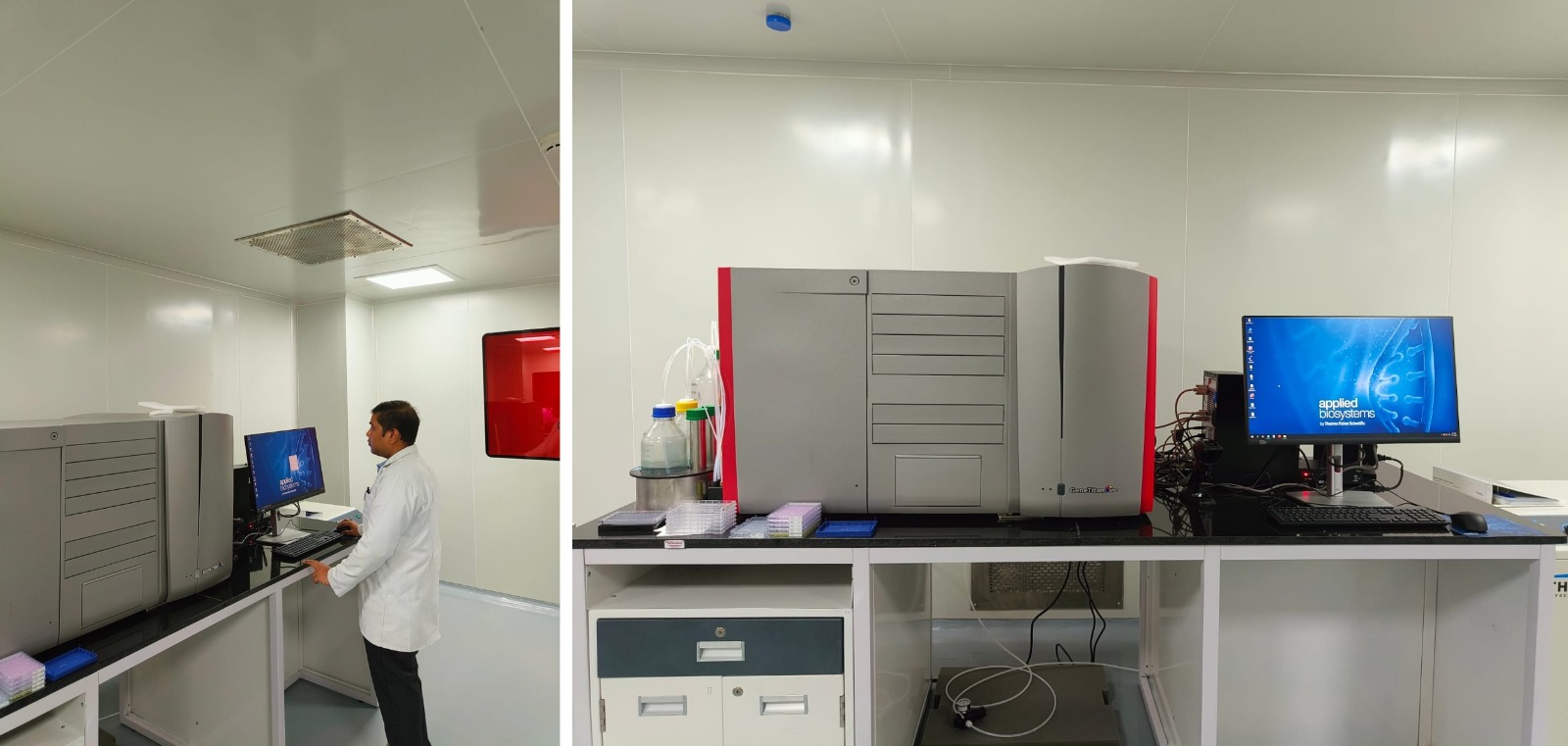
The most transformative component of the GMBL's technology stack is its in-house GeneTitan™ MC Fast Scan Instrument (Thermo Fisher Scientific) — one of the very few such installations in the Indian public sector livestock research domain. The GeneTitan™ MC enables automated, high-throughput processing of Affymetrix Axiom SNP arrays, supporting genotyping of hundreds of thousands of SNP markers simultaneously across large sample sets. This platform underpins the landmark BBGOATCHIP programme and the Genomic Selection Programme for dairy cattle in West Bengal.
Digital PCR & Real-Time qPCR
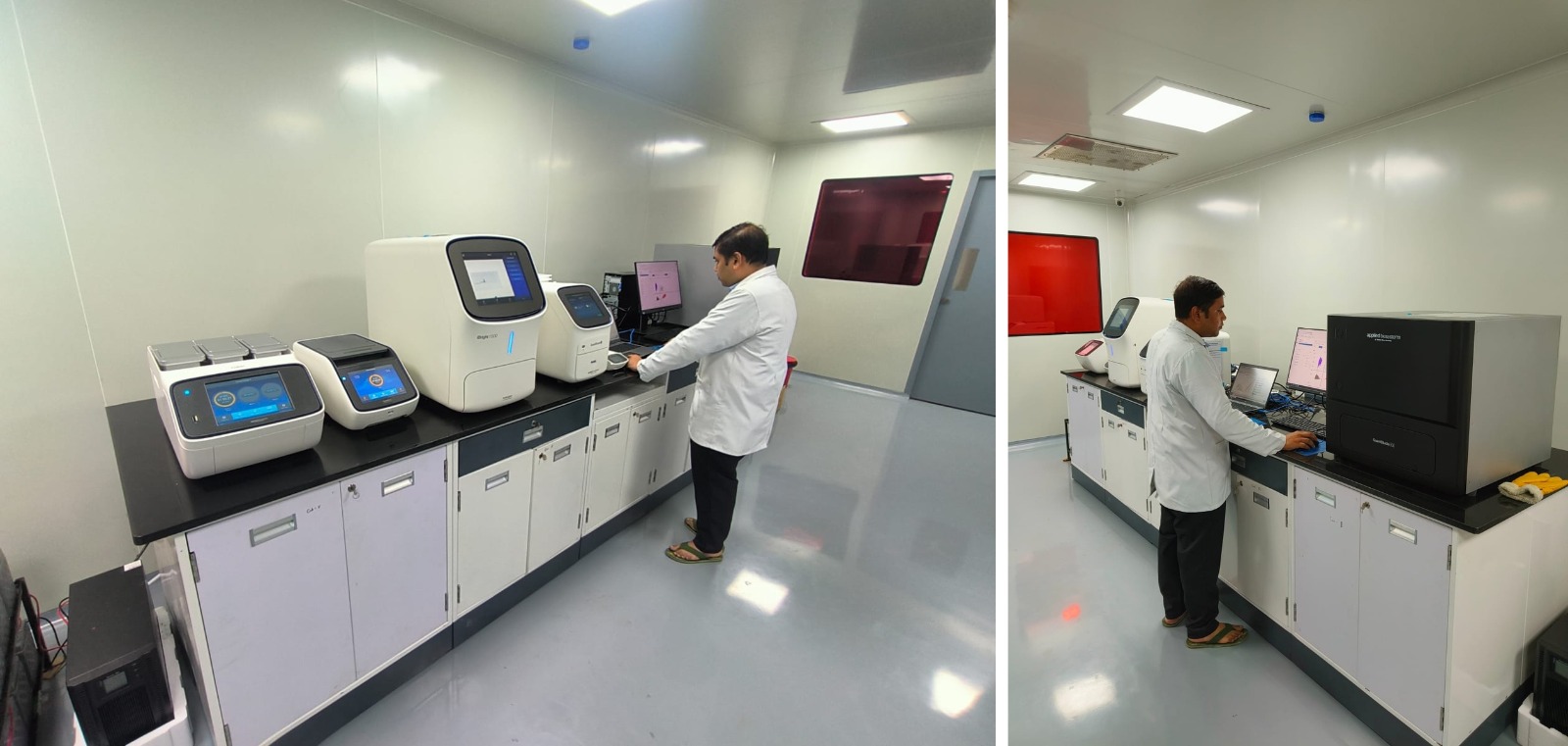
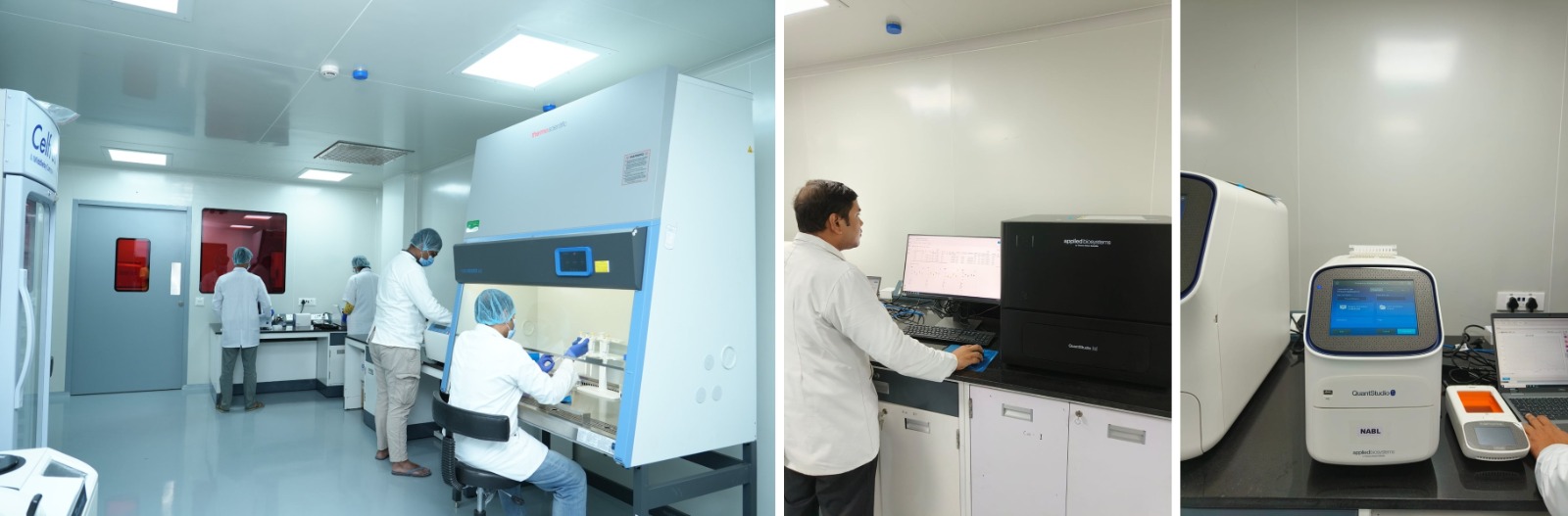
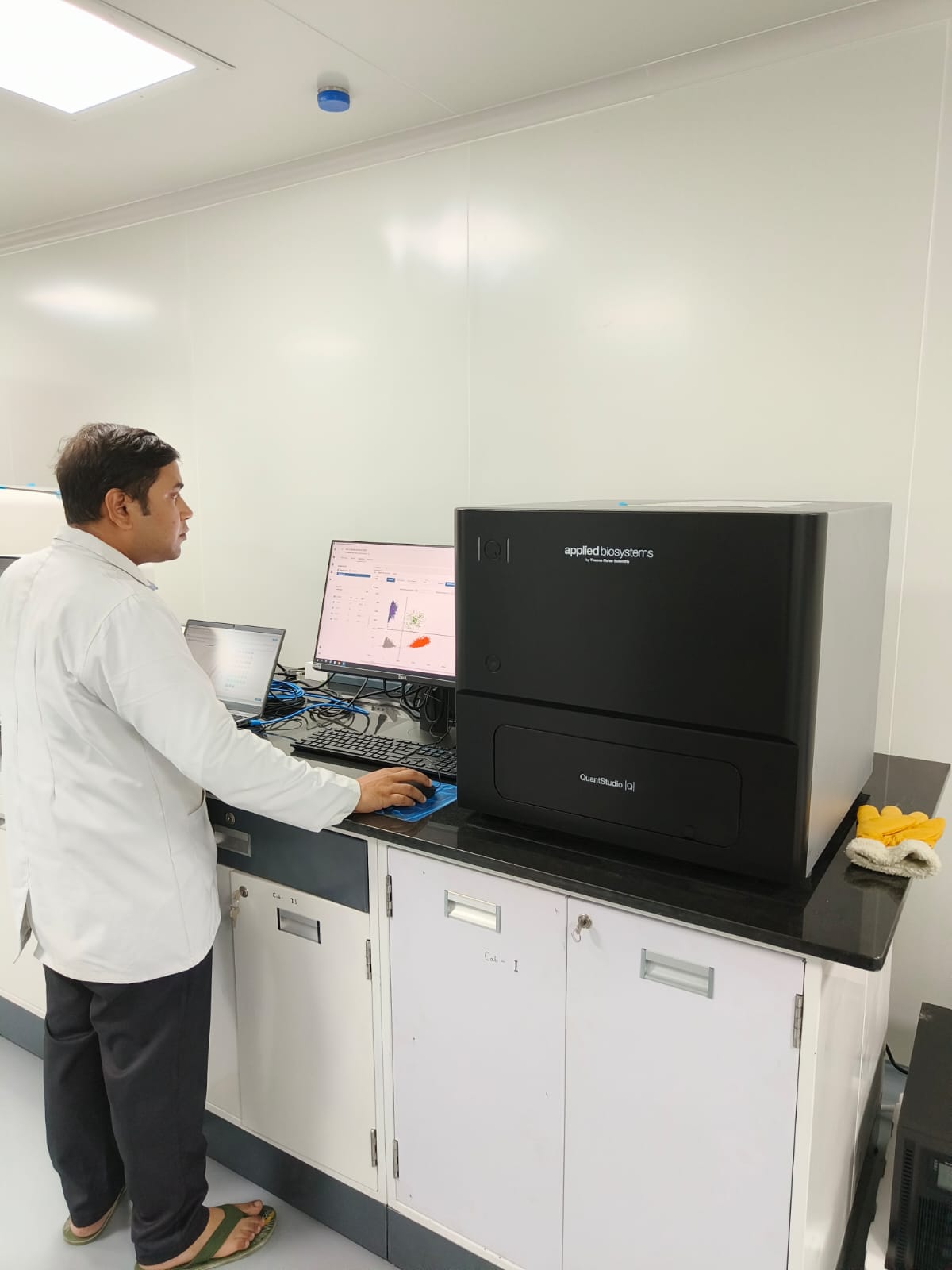
The QuantStudio™ Absolute Q Digital PCR System enables absolute quantification of nucleic acid targets without the need for standard curves — critical for viral load estimation, rare variant detection, and copy number variation (CNV) analysis. Complemented by the QuantStudio™ 5 Real-Time PCR System (96-well, 0.1 mL block) and both VeritiPro™ and ProFlex™ thermal cyclers. Automated nucleic acid extraction is performed on the KingFisher™ Duo Prime, with quality assessment via Qubit™ 4 Fluorometer and Multiskan™ SkyHigh microplate spectrophotometer.
Genomically Estimated Breeding Value (GEBV)
Working within the PBGSBS–BAIF Technology-Knowledge Strategic Partnership Programme, the GMBL functions as the genomic analysis hub for GEBV estimation in dairy cattle of West Bengal. Phenotypic data from 18,000 animals recorded across five districts (Nadia, Hooghly, Purba Bardhaman, Murshidabad, North 24 Parganas) is integrated with genotypic data from 9,500 animals genotyped using high-density SNP arrays. Statistical genomic evaluation methods — including single-step GBLUP (ssGBLUP) and Bayesian regression models — are deployed to generate reliable GEBVs for traits including test-day milk yield, fat percentage, protein percentage, somatic cell score, calving interval, and reproductive efficiency. The resultant genomic estimated breeding values drive elite animal identification and contract mating decisions within the Genomic Selection Programme.
Accredited Molecular Diagnostics
The GMBL operates under globally-accredited Standard Operating Procedures (SOPs) for the following key genetic disorders and infectious diseases of bovine economic significance.
Transformative Programmes Anchored at GMBL
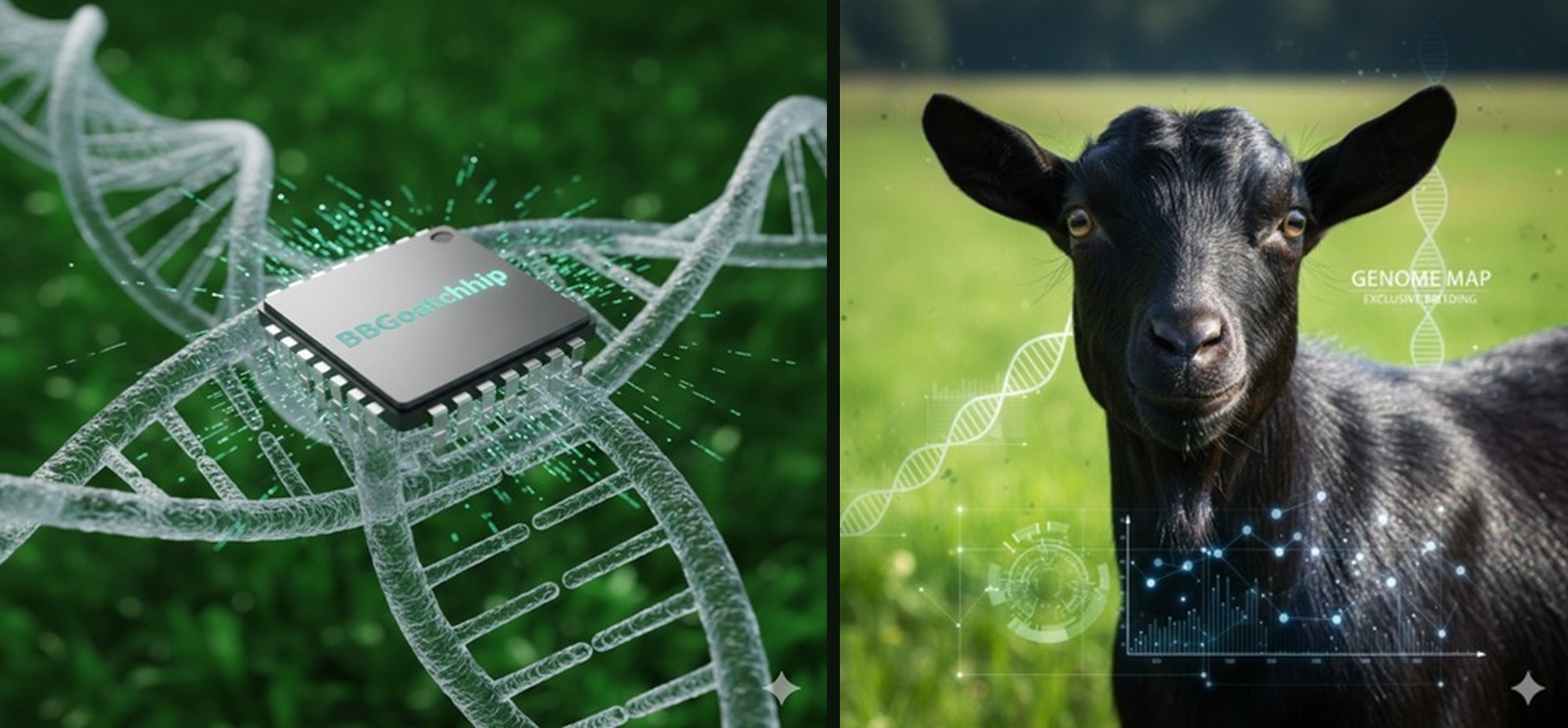
BBGOATCHIP: Development of a 600K SNP Array for Black Bengal Goats
The most scientifically ambitious undertaking currently hosted by GMBL is the BBGOATCHIP project — a three-phase, 36-month initiative to design, validate, and commercialise a breed-specific 600K high-density SNP array tailored exclusively for the Black Bengal Goat (Capra hircus), India's most numerically significant indigenous goat breed with 18.6% pan-India representation in total goat population.
Black Bengal Goats contribute substantially to rural livelihoods across West Bengal, where the indigenous goat population has expanded by 41.49% to 16.28 million animals. Yet no high-density SNP chip validated on a large Black Bengal Goat population exists globally. Commercial arrays such as the Illumina GoatSNP50 and Affymetrix Axiom Caprine arrays suffer from significant ascertainment bias when applied to this breed — characterised by low call rates, poor coverage of breed-informative loci, and inadequate representation of adaptive genetic variation.
Genomic Selection Programme for Dairy Cattle — PBGSBS–BAIF Partnership
In a landmark Technology-Knowledge Strategic Partnership spanning 5.5 years, PBGSBS and the BAIF Development Research Foundation have co-initiated a comprehensive Genomic Selection Programme targeting dairy cattle improvement across five districts of West Bengal. GMBL serves as the genomic backbone of this programme — conducting DNA extraction, quality control, SNP array genotyping, and GEBV computation for the reference population.

The programme targets phenotypic recording of 18,000 animals and genotyping of 9,500 animals across Holstein Friesian crossbreds, Jersey crossbreds, Sahiwal, Gir, and graded indigenous cattle. Through systematic integration of Test-Day Milk Yield records, reproductive trait data, and genome-wide SNP genotypes, the initiative will establish West Bengal's first genomic reference population — enabling routine marker-assisted genetic evaluation and accelerating genetic gain in economically critical production traits by an estimated two-fold compared to conventional progeny testing approaches.
World-Class Instrument Portfolio
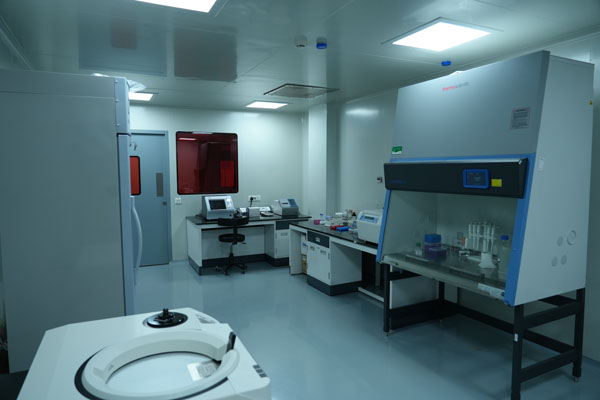
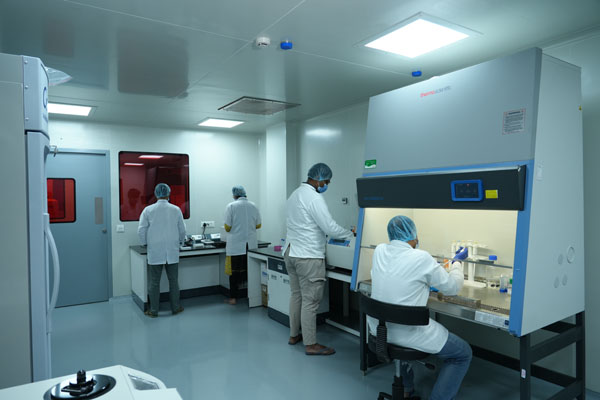
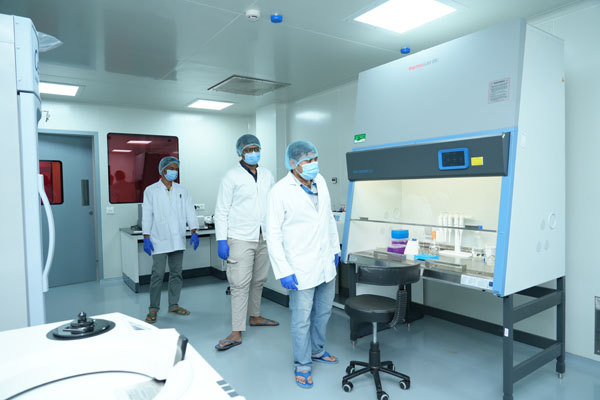
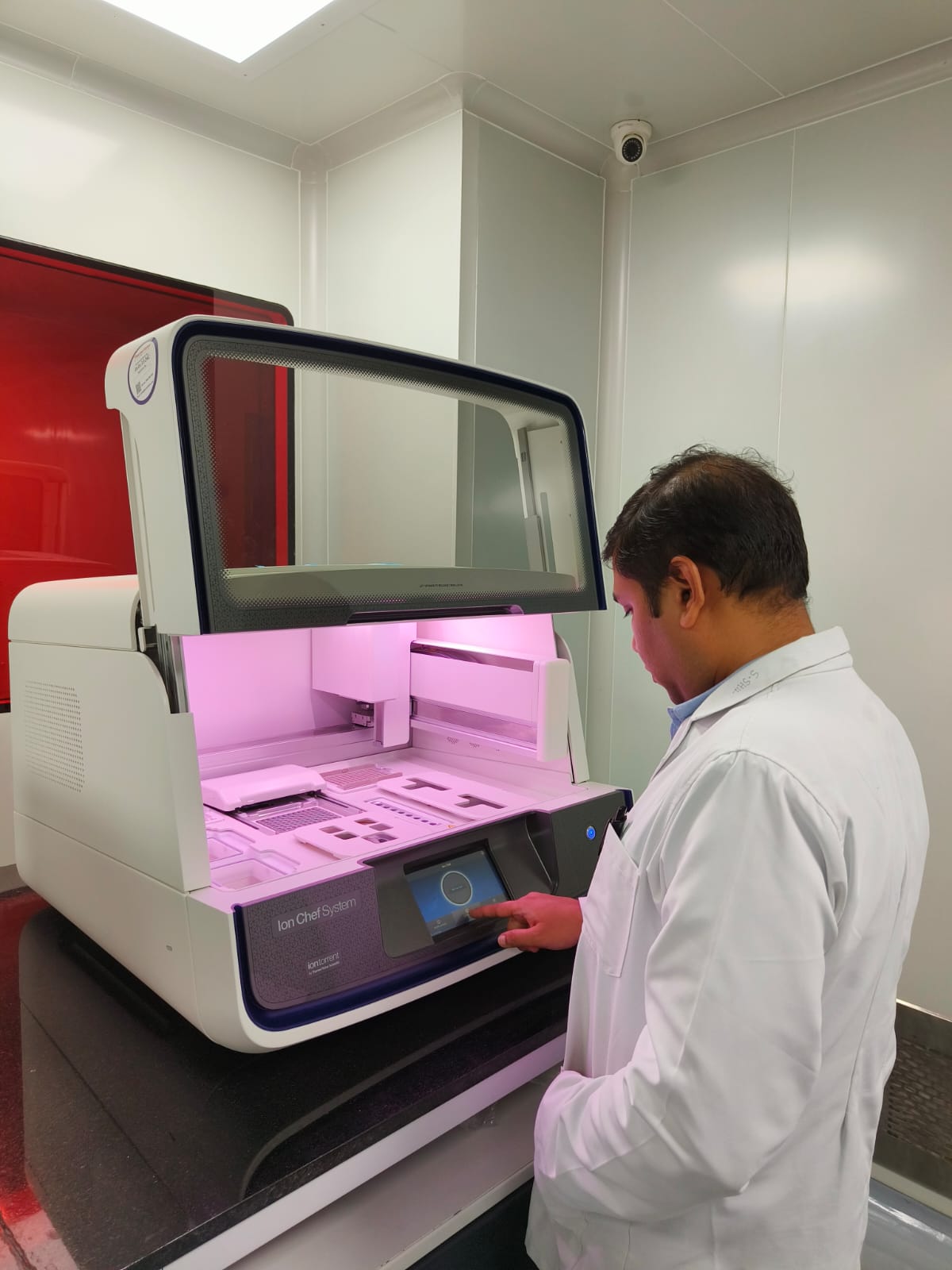
The GMBL, PBGSBS houses one of the most comprehensive livestock genomics instrument portfolios in the eastern Indian public sector. All instruments operate under validated SOPs with calibration records maintained in compliance with NABL accreditation requirements and ISO 15189 frameworks.
High-throughput Axiom SNP Array processing platform; central instrument for BBGOATCHIP genotyping. One of very few installations in the Indian public-sector livestock research domain.
Semiconductor-based NGS for WGS, targeted gene panels, GBS, RNASeq, and AMR profiling.
8-capillary electrophoresis platform for Sanger sequencing, microsatellite genotyping, and fragment analysis.
Absolute ddPCR quantification for viral load, CNV, and rare variant detection without standard curves.
96-well, 0.1 mL block; qRT-PCR for gene expression profiling and molecular diagnostics.
High-dimensional cell sorting for chromosome preparation, immunophenotyping, and cell-based assays.
Advanced fluorescence imaging for karyotyping, FISH, and cytogenetic analysis.
Automated magnetic bead-based nucleic acid extraction from blood, tissue, and biological matrices.
High-fidelity PCR platforms for diagnostic amplification and research applications.
Fluorescence-based nucleic acid and protein quantification with high sensitivity and accuracy.
UV-Vis spectrophotometry for biochemical assays and OD-based quantification with cuvette capability.
Preparative ultracentrifugation and high-throughput refrigerated sample processing.
Gel documentation with chemiluminescence and fluorescence detection; rapid nucleic acid electrophoresis.
Containment for biosafety-level work, pathogen-associated molecular diagnostics, and BSL-2 research operations.
Quality Assurance & Institutional Recognition
NABL Accreditation
GMBL is actively pursuing NABL (National Accreditation Board for Testing and Calibration Laboratories) accreditation for its molecular diagnostic services. Upon accreditation, GMBL's genotyping results — including BLAD, BC, DUMPS, FX ID, and IBR — will carry legal standing for official breeding certification, bull licensing, and regulatory decision-making by the Animal Resources Development Department, Government of West Bengal.
MSP-2025 — Govt. of India Recognition
GMBL is actively pursuing designation as a nationally recognised genomics facility under the Government of India's Minimum Standard Protocol (MSP-2025) framework — a distinction held by a very small number of institutions across India. MSP-2025 recognition will enable GMBL to serve as a reference laboratory for GEBV computation within the National Genomic Selection Programme and qualify for direct central government infrastructure support.
Technical Steering Committee Convener
GMBL is designated as a Technical Steering Committee-convened facility within PBGSBS's Genomic Selection Programme architecture. The Laboratory Head serves as Technical Steering Committee Convener, providing scientific governance oversight across all genomic selection activities in West Bengal — including field coordination, genotyping quality control, and GEBV computation review.
Building Genomics Expertise Across West Bengal
Consistent with PBGSBS's mandate for technology dissemination and human resource development, the GMBL offers structured training programmes open to veterinarians, technical officers, field supervisors, and researchers from government institutions, agricultural universities, and allied organisations.
Strategic Partnerships & Institutional Collaborations
The GMBL operates within an expanding ecosystem of scientific and institutional partnerships that amplify its research and service delivery impact.
From a Single Blood Drop to a Genome-Wide Breeding Decision
West Bengal's livestock sector supports millions of smallholder farmers whose livelihoods depend on the productivity, health, and genetic quality of their animals. For decades, genetic improvement in this sector has been constrained by the absence of breed-specific genomic tools, limited access to advanced molecular diagnostics, and the near-total reliance on phenotypic selection methods that are slow, imprecise, and environmentally confounded.
The Genomics and Molecular Biology Laboratory, PBGSBS, is fundamentally changing this landscape — identifying superior animals earlier, eliminating genetic diseases from breeding herds, preserving the adaptive heritage of indigenous breeds like the Black Bengal Goat, and building a data-rich biological foundation for sustainable intensification of West Bengal's dairy and meat production systems.
From a single blood drop to a genome-wide prediction of an animal's breeding value; from a karyotype of chromosomal integrity to a population-level conservation genomics map — the GMBL, PBGSBS delivers the full continuum of genomic science in service of West Bengal's livestock farmers, its indigenous breeds, and India's vision of a self-reliant, genomics-empowered animal husbandry sector.
Service Inquiries · Collaboration · Training Programmes
gmbl@pbgsbs.in pbgsbs.gov.inGenomics & Molecular Biology Laboratory (GMBL) | PBGSBS
Paschim Banga Go-Sampad Bikash Sanstha, Government of West Bengal